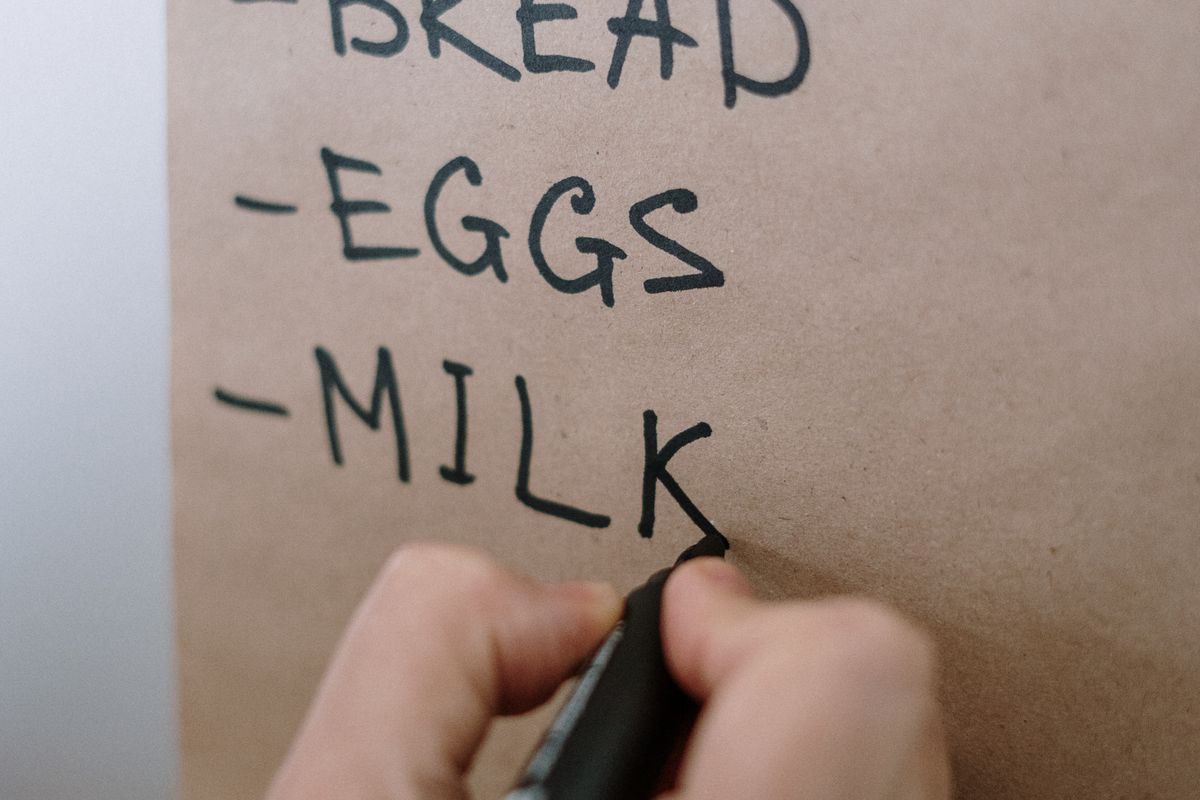
A shopping list written from memory is a list you will write twice. Once at the kitchen table, and again in the shop when you remember the three things you left off.
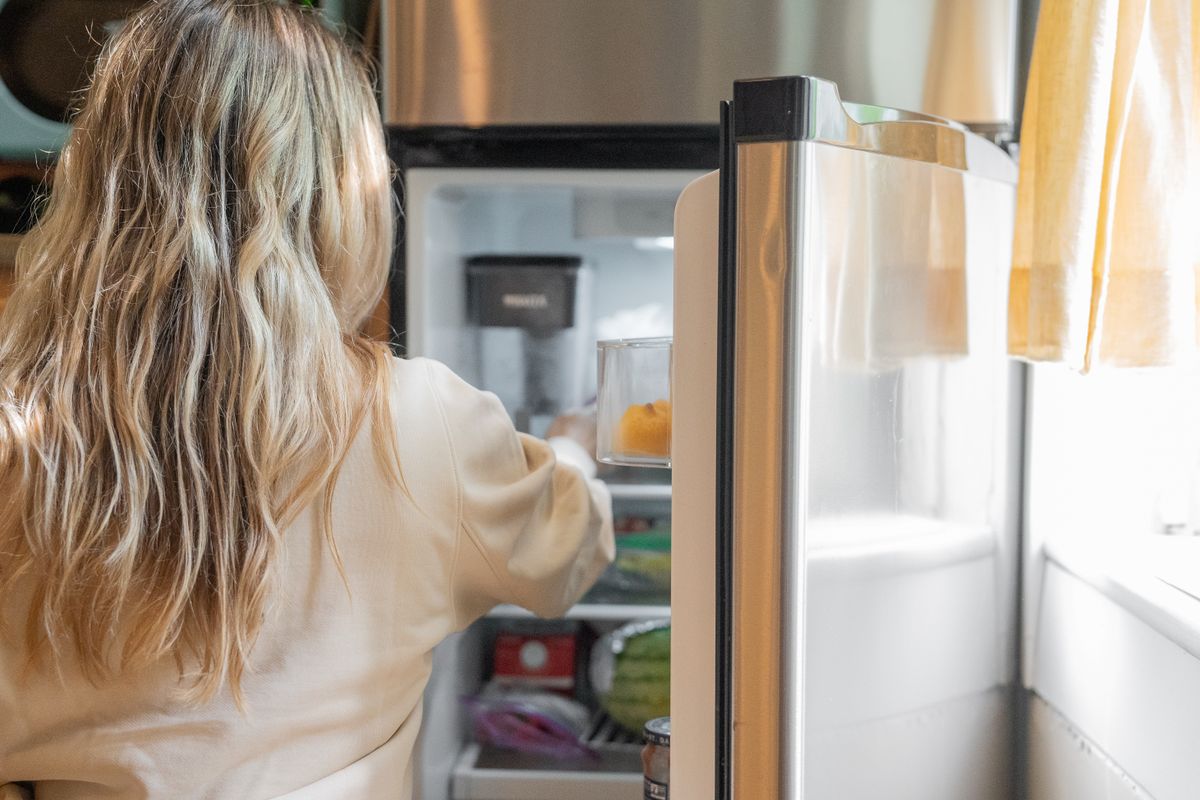
The problem is not discipline. It is that the list is being assembled from the wrong source: your recollection of the kitchen, rather than the kitchen itself.
Lists built from memory get built twice
Standing in an aisle, you cannot picture the shelf at home. So you guess, and guessing is expensive in both directions. Guess low and you get home without the thing you went for. Guess high and you buy a duplicate that sits behind the first one until it expires.
Neither mistake is a memory failure. Both are visibility failures, and visibility is fixable.
Start from the gap, not the recipe
A recipe is not a shopping list. It is a list of everything the dish needs, most of which you already own. Copying it wholesale is how you end up with a fourth bottle of soy sauce.
The useful list is the difference between what the recipe needs and what is already stocked. When Stokd checks a recipe against your pantry, what comes back is the gap, and the gap is what belongs on the list.
For a well-stocked kitchen, a recipe with fourteen ingredients often produces a list of three. That is the list worth carrying.
What a good list looks like
Once the list is built from real gaps, a few habits keep it usable:
- Quantities you can act on: “500g chicken thighs”, not “chicken”
- Grouped roughly by where things sit in the shop, so you walk the floor once
- Short enough to read at a glance while holding a basket
- Shared with whoever else might be passing a shop today
That last point removes a whole category of household friction. Two people shopping from one list buy one set of groceries. Two people shopping from memory buy two.
Shop the list, share the list
A list that lives on one phone is a list that only works when that phone is in the shop. Sending it to whoever is out means the trip happens once, by whoever was closest, with no phone call to confirm whether you already have eggs.
One list, not four
Most households run several lists without meaning to. A note on the fridge, a half-finished list in someone’s phone, a mental note about washing-up liquid, and whatever the recipe needs.
Each one is individually reasonable and collectively useless, because no single list is complete enough to shop from. So the trip gets made against the most convenient list, and the other three survive to cause another trip.
Consolidating is worth more than optimising. One list that everyone adds to, and everyone shops from, beats four well-organised ones.
The trip you do not make
The real saving here is not a shorter list. It is the second trip that never happens.
A mid-week run to pick up two forgotten items costs half an hour and usually returns with six things instead of two, because nobody walks a supermarket without buying something not on the list. Removing that trip is worth more than any amount of careful list-writing.
This is also where the pantry pays for itself. Knowing what is in stock does not only prevent duplicates; it tells you when a shop is genuinely needed and when it can wait until the weekend.
Buy for the week you will actually have
Shopping is optimistic. The vegetables bought on Saturday assume a version of you who cooks properly on Tuesday, and that version does not always turn up.
Plan two or three real meals rather than seven aspirational ones, and let the rest of the week run on staples. Food thrown away in a bin on Friday was bought on a Saturday by someone being unrealistic.
Write it in the language of the shop
A list is read in an aisle, under fluorescent light, while holding a basket and possibly a child. It needs to survive that, which means writing entries the way the shop presents them rather than the way the recipe does.
“Passata” beats “tomato sauce for the base.” A brand or a size beats a vague noun when the choice in front of you covers a whole metre of shelf. And anything with a real constraint (gluten free, unsalted, full fat) belongs on the line itself, because that is the detail you will not remember and cannot check.
Close the loop on the way home
The list has one more job after checkout. What you bought is now what is stocked, and if that never gets recorded, the next list starts from memory again and the whole cycle restarts.
Scanning the receipt is the fastest way to close it. One capture turns the trip into pantry data, which is what makes the next recipe check accurate and the next list short.
A good shopping list is not really a list of what to buy. It is a list of what is missing, which is a much smaller and much more useful thing.