The hardest part of dinner is rarely the cooking. It is the twenty minutes before the cooking, standing in the kitchen with a phone in one hand, opening the same three apps in rotation and closing them again.
Everything looks good. Nothing looks like dinner. Eventually the decision gets made by exhaustion rather than appetite, and it is pasta again.
The scroll is a symptom
Scrolling feels like indecision, but it is usually missing information. You are being shown thousands of meals without being told which ones you could actually make tonight. Every recipe looks equally possible, so none of them is more possible than the others, and there is nothing to choose between.
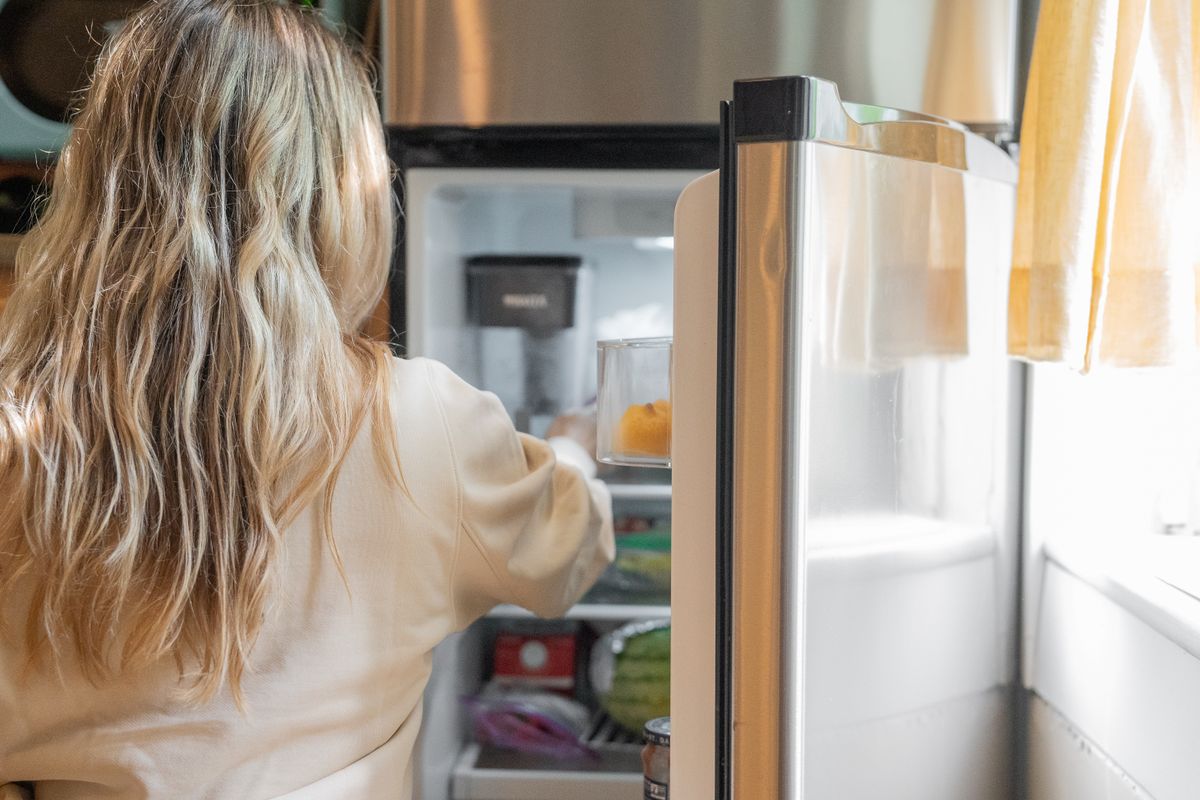
A feed is optimised to keep showing you things. It has no idea what is in your fridge, how much time you have, or that you already bought chicken thighs on Sunday. The decision cannot get easier until the options get narrower.
Start from the kitchen, not the feed
Turn the question around. Instead of asking what you feel like eating and then working out whether it is achievable, start with what is achievable and let appetite pick from that shorter list.
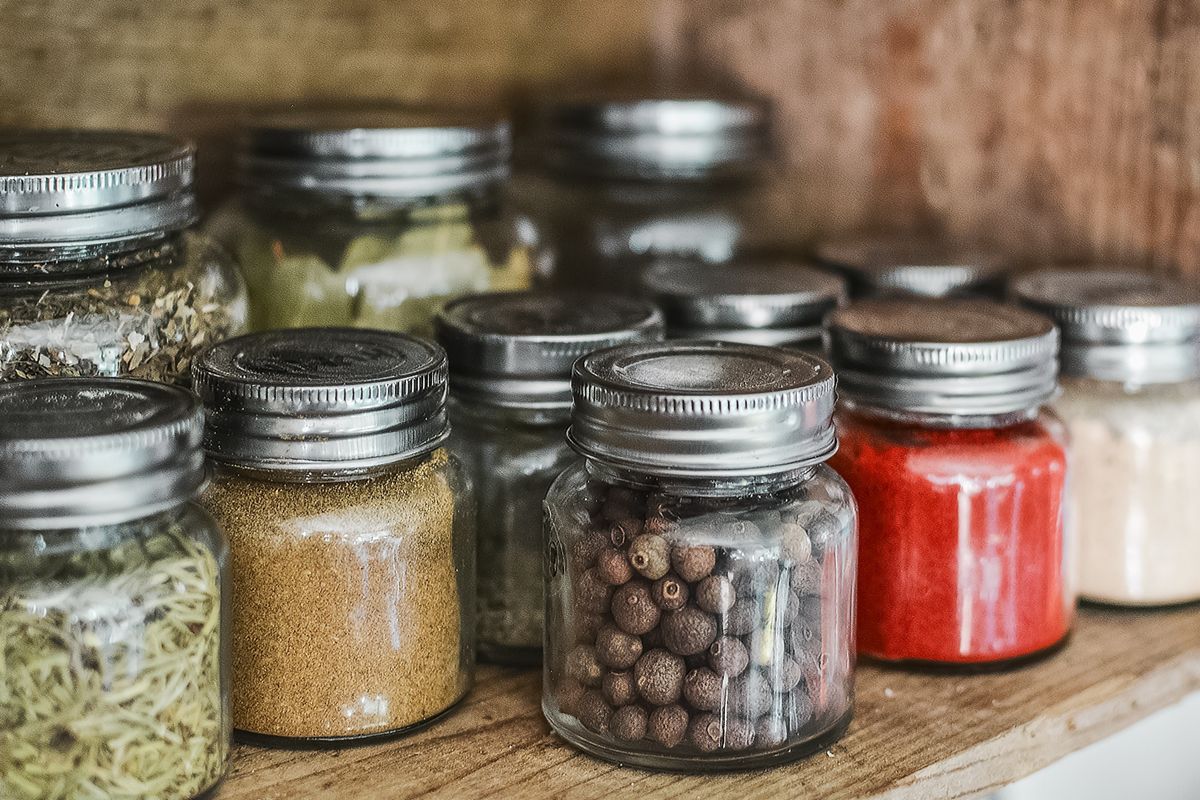
This is why the pantry matters more than it looks. Once Stokd knows roughly what is stocked, it can check your saved recipes against it and sort them by how close each one is to being cookable right now. The recipe you can make with nothing extra rises to the top. The one needing a trip to the shop sinks.
You are still choosing. You are just choosing from five real options instead of five thousand theoretical ones.
Narrow before you browse
Two or three constraints will usually cut the field down far enough to decide in under a minute:
- How much time you actually have, not how much you wish you had
- Whether you are willing to stop at a shop on the way home
- Who is eating, and whether anyone at the table has opinions
- What needs using up before it turns
That last one is worth applying first. A half bag of spinach with two days left is a stronger dinner prompt than any recommendation engine, because it comes with a deadline.
Let “almost” count
A recipe missing one common ingredient is not a dead end. It is a recipe with a footnote. Most weeknight cooking survives a substitution, and knowing precisely what is missing is far more useful than a vague sense that you probably cannot make it.
When Stokd shows a recipe as missing two items, you get to make a real decision: swap something, pick it up on the way, or move on. All three are faster than scrolling, because all three end.
Time is the constraint that actually binds
Ask people what stops them cooking and they say energy, or ideas, or skill. Watch what actually happens and it is almost always time, specifically the mismatch between how long a recipe claims to take and how long it takes you in your kitchen with your hob.
Published times assume a prepped station and an experienced cook. A “20 minute” recipe with four vegetables to dice is a forty-minute recipe the first time you make it. That gap is where good intentions collapse into a takeaway.
So read the ingredient list before you trust the number at the top. Count the things that need chopping, and count the steps that happen before any heat is applied. If either number is high, that recipe belongs to a Sunday, not to a Wednesday.
Keep a short list of defaults
Every kitchen that runs smoothly has four or five meals that need no decision at all. Not because they are exciting, but because they are known: the ingredients are usually in, the method is in your hands rather than on a screen, and they can be started while tired.
These are the meals that stop a bad evening becoming a delivery order. They are worth naming and keeping somewhere you can find in one tap, because the whole point is that they cost nothing to choose.
New recipes are for the evenings when you have the appetite for one. Defaults are for everything else, and most weeks contain more of the second kind than the first.
A rotation is not a failure of imagination. Restaurants run menus for a reason.
Decide once, then stop deciding
The scroll persists partly because nothing marks the decision as made. There is no moment where the question closes, so it stays open in the background and gets reopened at six o’clock.
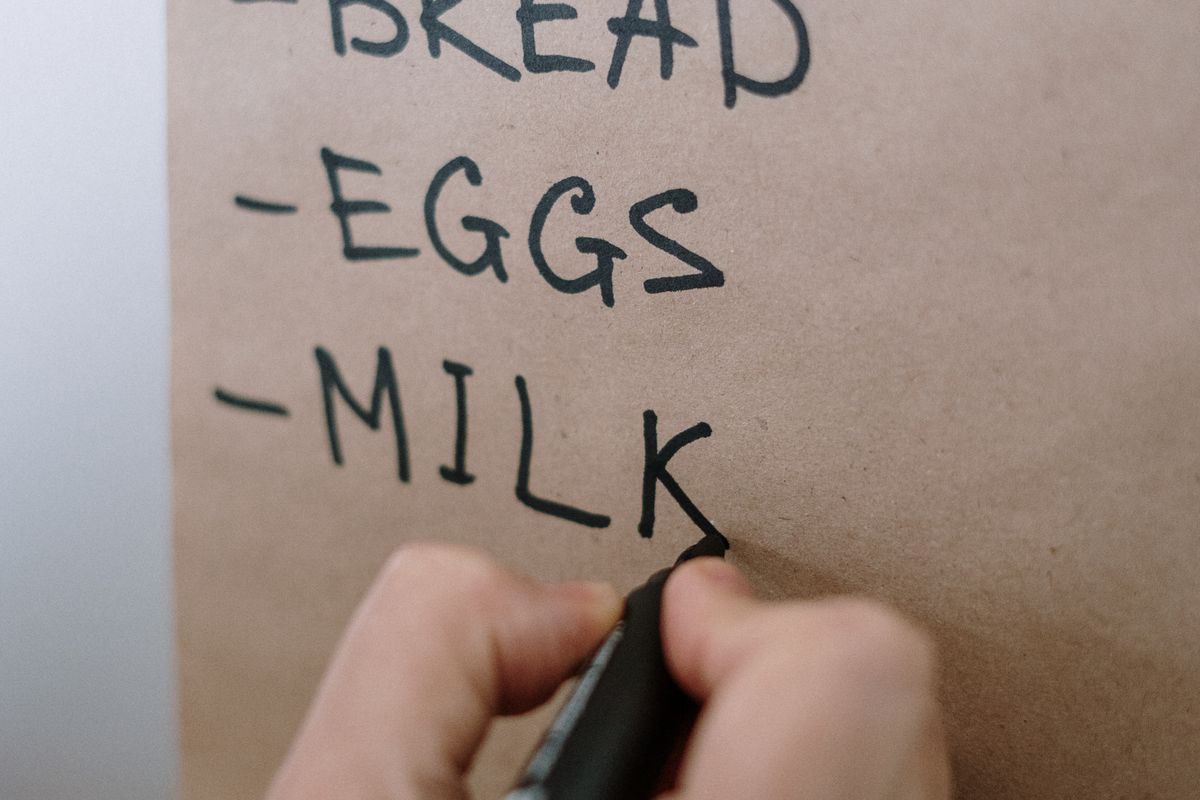
Give the decision somewhere to land. Choose the meal, send the missing pieces to a shopping list, and put the recipe where you will find it at the stove. The question is now answered, and the answer is written down somewhere other than your memory.
Dinner does not need to be inspired. It needs to be decided, and then cooked. The scroll is what happens when the first part never quite finishes.