Somewhere between the recipe you saved in March and the food on the table tonight, there are four or five moments where the whole thing quietly falls apart. None of them is dramatic. Each one just makes the next step slightly more expensive than you have energy for.
The recipe is in one place. What is in the cupboard is in your head, badly. The shopping list is on a bit of paper, or it is not written down at all. And the phone on the counter keeps locking itself while your hands are covered in flour.
The handoffs are where dinner dies
Every one of those transitions asks you to carry information from one place to another by hand. Read the recipe, remember the ingredients, compare them against a cupboard you cannot see, write down the difference, buy it, then find the recipe again three days later and work out where you were.
Any single handoff is trivial. Together they are why a recipe you were genuinely excited about is still unmade eight months later.
One loop, five useful moments
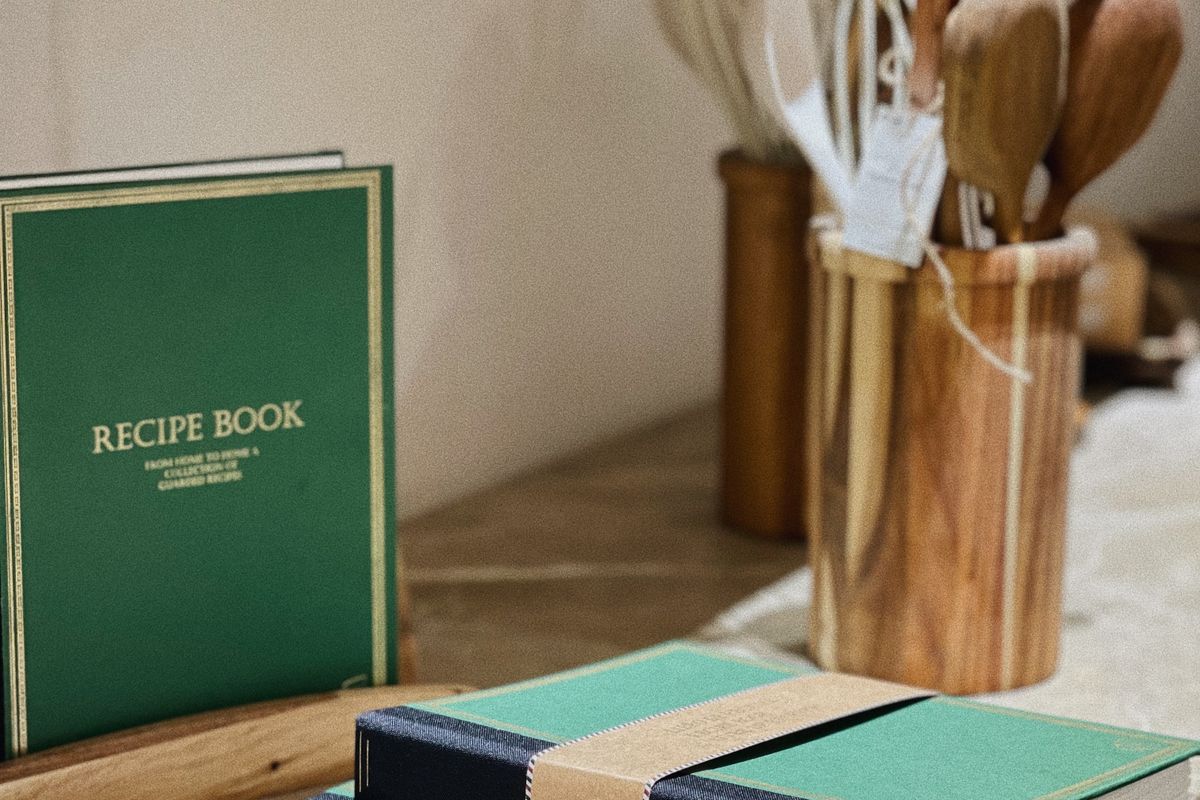
- Save the recipe from its original link
- Stock what is already at home
- Decide what is possible now
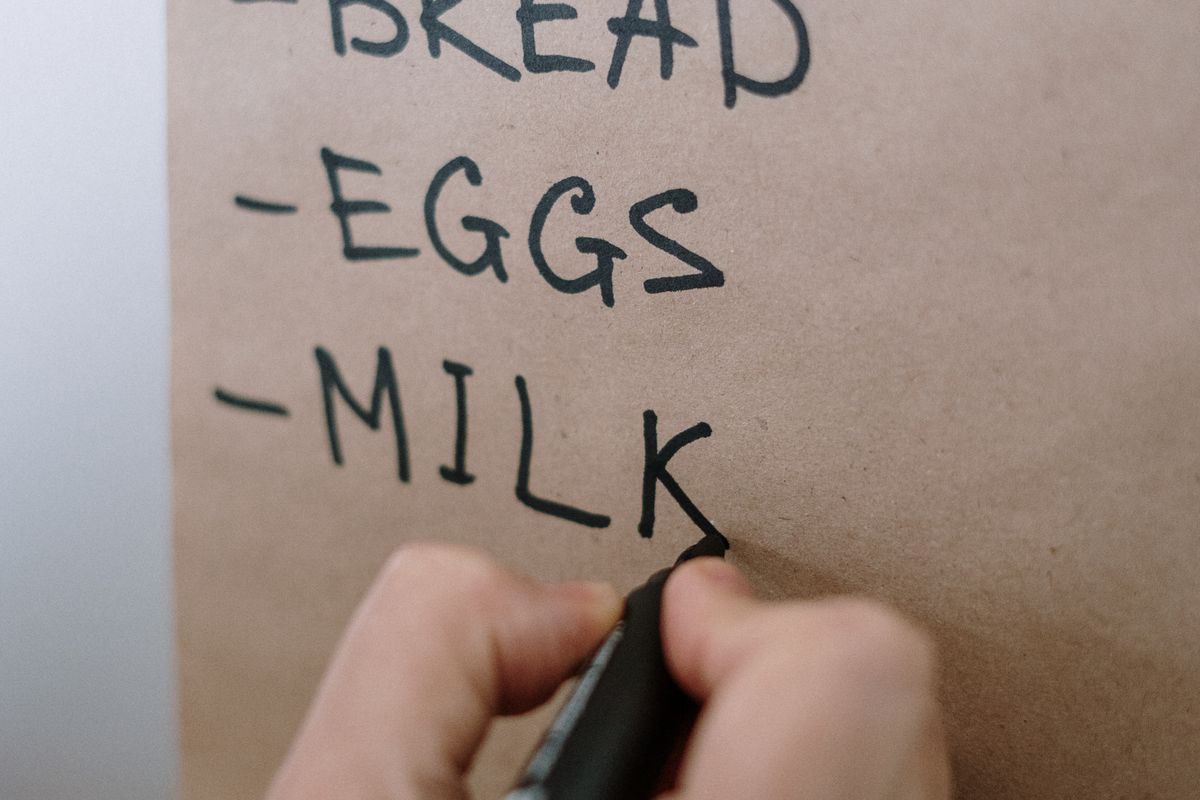
- Shop for what is still missing
- Cook from clear steps and honest timers
It is worth noticing that this is a loop and not a checklist. What you cook changes what is in the cupboard, which changes what is possible next week. The value compounds only if the stages talk to each other.
Save so the recipe survives contact with a Tuesday
A recipe has to arrive as text you can act on: ingredients, quantities, steps. A screenshot cannot be compared against a cupboard, and a browser tab does not survive a phone restart.
The test is simple. Could you cook from this in six months without going back to the original? If not, it is a bookmark, not a recipe.
Stock is the part everyone skips
This is where most attempts at organising a kitchen collapse, because “inventory the pantry” sounds like a weekend project with a label maker.
It is not, and it should not be. You do not need a complete record. You need enough of one that a recipe check comes back roughly right. Scan a receipt after a shop, barcode the packaged things, photograph what is on the counter, and type the occasional correction. The record builds itself out of things you were doing anyway.
Aim for the items that actually decide meals: the staples you cook with weekly, the things that run out without warning, and whatever is about to turn. Nobody needs a database entry for the bag of sugar that has been there since 2023.
Decide before you shop, not in the aisle
Checking a recipe against the pantry turns a vague intention into a concrete choice, and it does it while you are still at home and still calm.
It also reframes the question. Instead of “what do I feel like eating”, which is unanswerable at half past six, you are asking “which of these three things am I closest to being able to make”. That is a question with an answer.
The side effect is that the shopping list stops being aspirational. You are buying for food you have actually decided to cook, rather than for a version of yourself who will definitely make the ambitious thing on Thursday.
Shop for the gap, not the recipe
The list should contain what is missing, not everything the recipe mentions. That distinction is the entire difference between a list you trust and a list that quietly re-buys olive oil every fortnight.
Built that way, the list is also short, which matters more than it sounds. A short list gets finished. A long list gets abandoned halfway down and finished from memory, which is how you end up with a third jar of cumin and no lemons.
Cook with the screen out of the way
The last stage has a specific failure: the recipe is on a device that sleeps, and your hands are wet, greasy, or holding a pan.
Guided steps help because they show the one thing you are doing rather than the whole wall of text, so finding your place again takes no effort. Timers set from the step itself help because you are not doing arithmetic while something browns. Stokd Pro can add spoken questions and step help when your hands are genuinely occupied, which is most of the time that matters.
Close the loop
When you finish cooking, the cupboard has changed. If that change lands back in the record, next week’s decision starts from something true rather than something you last updated a month ago.
This is the part that makes the whole thing worth doing. A saved recipe informed the pantry, the pantry informed the shop, the shop informed dinner, and dinner informed the pantry again. Nothing got retyped.
What actually changes after a few weeks
Not much, dramatically. That is rather the point.
You stop losing recipes you were excited about. The gap between saving something and cooking it shrinks from months to days. The weekly shop gets slightly smaller and noticeably more accurate. And the evening decision, which was the worst part, gets made in about ninety seconds because the options are already narrowed to things you can actually make.
No stage of this is impressive on its own. Connected, they are the difference between a folder full of good intentions and food on the table.