There is a jar of cumin at the back of the cupboard. There is another one in front of it. You are, right now, standing in the spice aisle holding a third.
This is not a story about being forgetful. It is a story about being in the wrong room.
You are standing in the wrong room
Nobody can picture a cupboard accurately from a shop. The shelf is not in front of you, the jar is behind something else, and the cost of guessing wrong feels small in the moment: a couple of pounds against the risk of getting home without it.
So you buy it. That calculation is individually reasonable and collectively expensive, and it repeats every week across a dozen items.
The duplicates are predictable
Duplicate buying is not random. It concentrates in a narrow band of items with two properties: you use them occasionally, and you cannot see them easily.
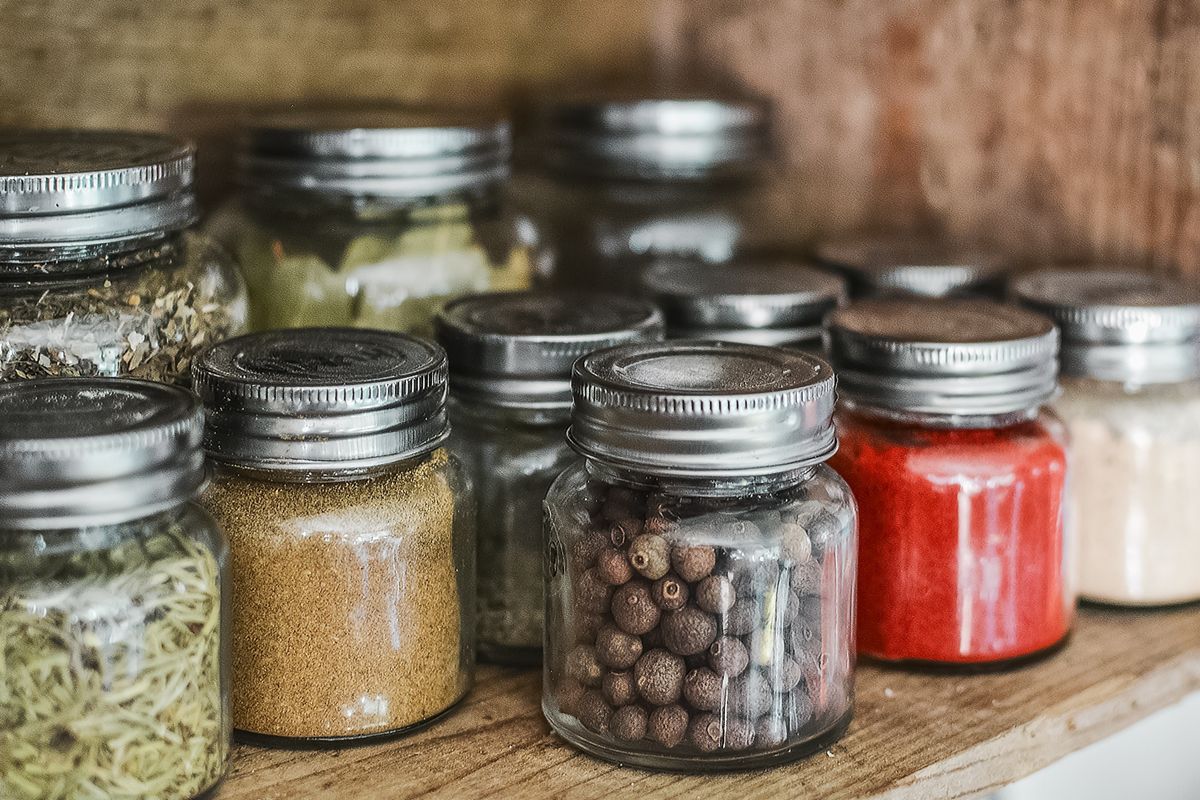
- Ground spices, which live at the back and look alike
- Condiments and sauces, bought for one recipe and used once
- Baking staples, like the third bag of self-raising flour
- Tinned goods stacked behind other tinned goods
- Anything decanted into a jar and no longer wearing its label
Notice what is absent from that list. You do not buy duplicate milk, because you see the milk every morning. Visibility is doing all the work.
Track the things that repeat
The fix is not a full inventory of everything you own. It is a record of the specific items that keep catching you out, which is usually a much shorter list than expected.
Scan a receipt after a shop and most of that band gets captured automatically. Barcode the jars as you finish them so the count moves down as well as up. Within a couple of weeks the cupboard has a shadow you can consult from anywhere.
Check before you go, not while you are there
The check is quicker at home than in the aisle, and it costs nothing when it turns out you did have the cumin after all. Building the list from what a recipe is actually missing, rather than from the recipe wholesale, removes most of these purchases before they happen.
It also removes the opposite failure, which is quieter and worse. Getting home without the one thing you actually needed means the meal you planned does not happen, and something reheated happens instead.
The waste is the other half
Duplicates cost money at the till, which is the visible half. The invisible half is what happens to the first jar.
Ground spices lose most of their character within a year of opening. The jar bought two years ago and pushed to the back is not a saving; it is dust that still smells faintly of the thing it used to be. When it eventually gets used, the dish is flat, and the recipe gets blamed.
The same is true across the cupboard. Flour goes stale, oils go rancid, and the tin bought for a recipe you never made expires quietly behind the tins you actually use. None of that registers as waste, because it never rots visibly. It simply stops being good.
Start with one shelf
The temptation is to fix everything at once: empty the cupboard, decant into matching jars, label the lot. That is a satisfying Saturday and it does not change next week’s shop.
Pick the shelf where the duplicates actually live. For most kitchens it is spices, and for the rest it is tins or baking supplies. Get that one shelf visible and current, and you will have removed the large majority of repeat purchases without touching anything else.
Depth is the enemy here. Anything stored two rows deep is effectively invisible, whatever your intentions when you put it there. If a shelf cannot be read at a glance, it will keep generating duplicates no matter how well organised the rest of the kitchen is.
Decant carefully, or not at all
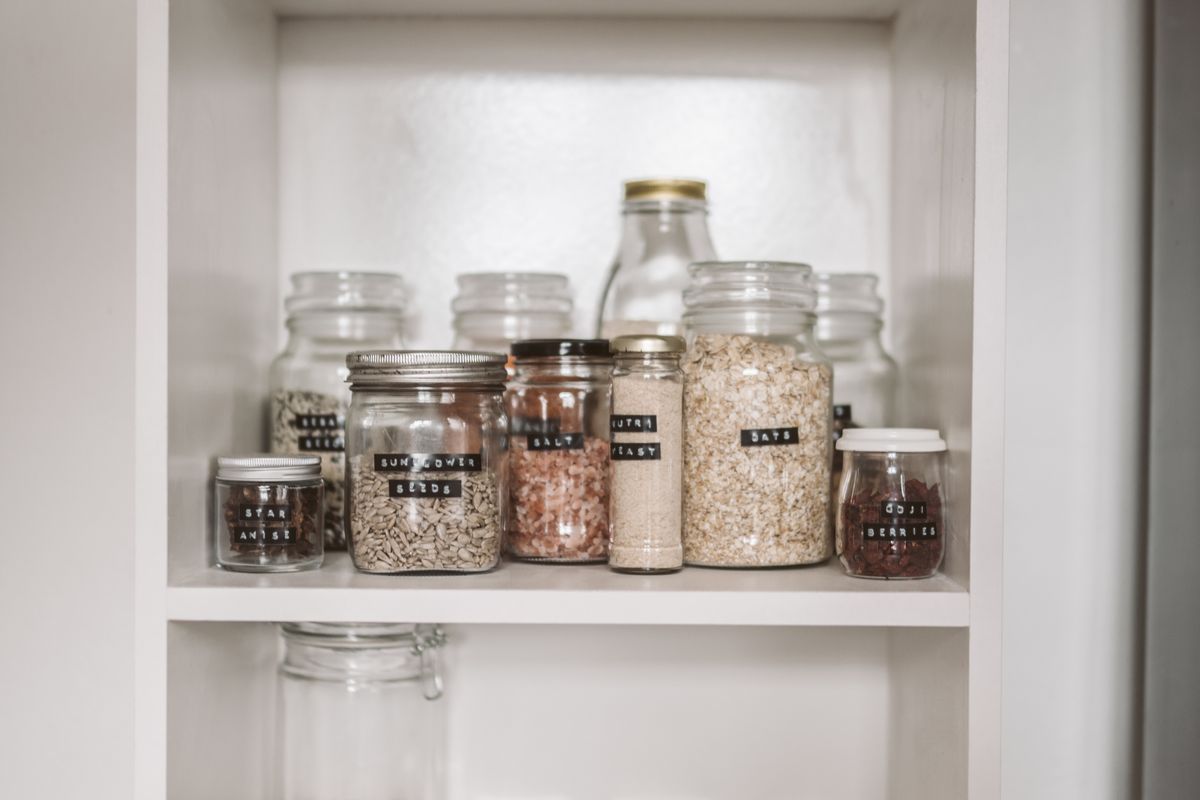
Matching jars look wonderful and cause a specific problem: an unlabelled jar of brown powder is indistinguishable from three other jars of brown powder, and none of them carries a date.
If you decant, label as you pour, and put the month on it. If that sounds like too much, leave things in the packaging they came in. A scruffy shelf you can read beats a beautiful one you cannot.
What this is worth
A few pounds a week, which is real but not the point. The bigger return is a cupboard where you can find things, where the jar at the back gets used before it goes stale, and where the answer to “do we have any” takes two seconds instead of a shrug.
Three jars of cumin is not a moral failing. It is a shelf you could not see from the shop. Make it visible and the problem quietly stops.