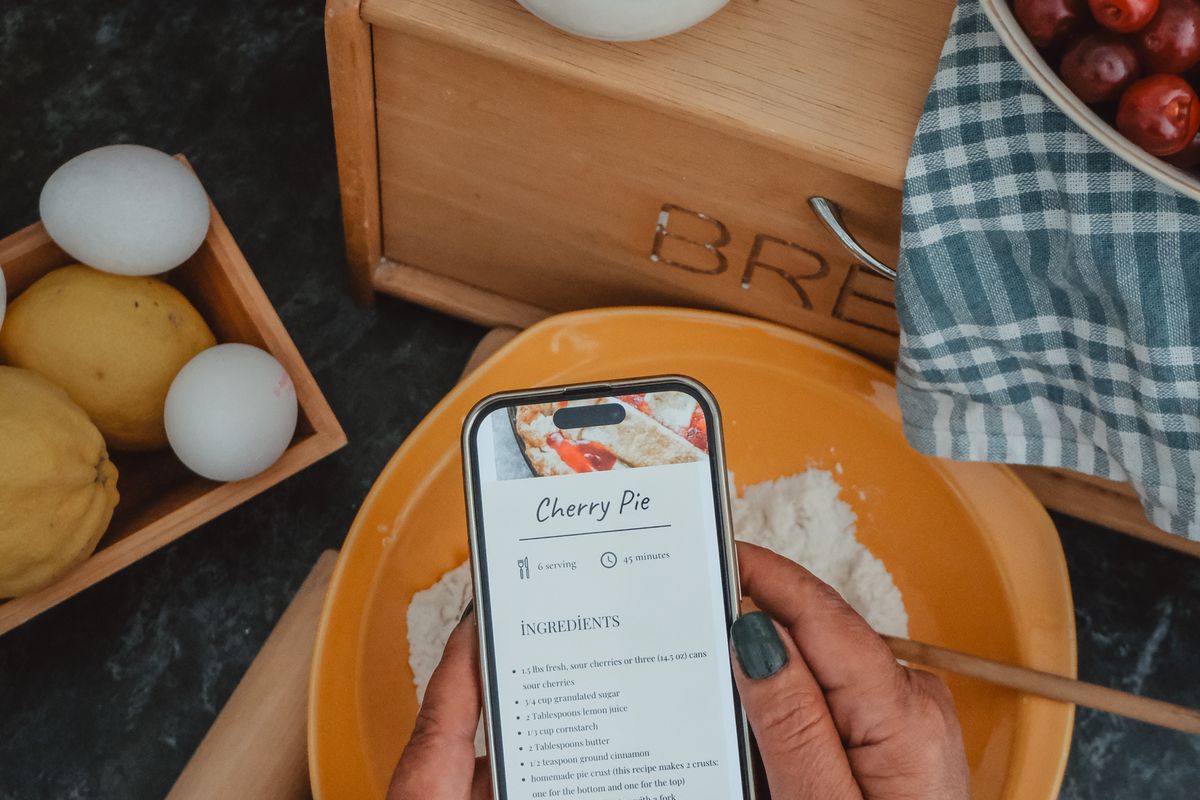
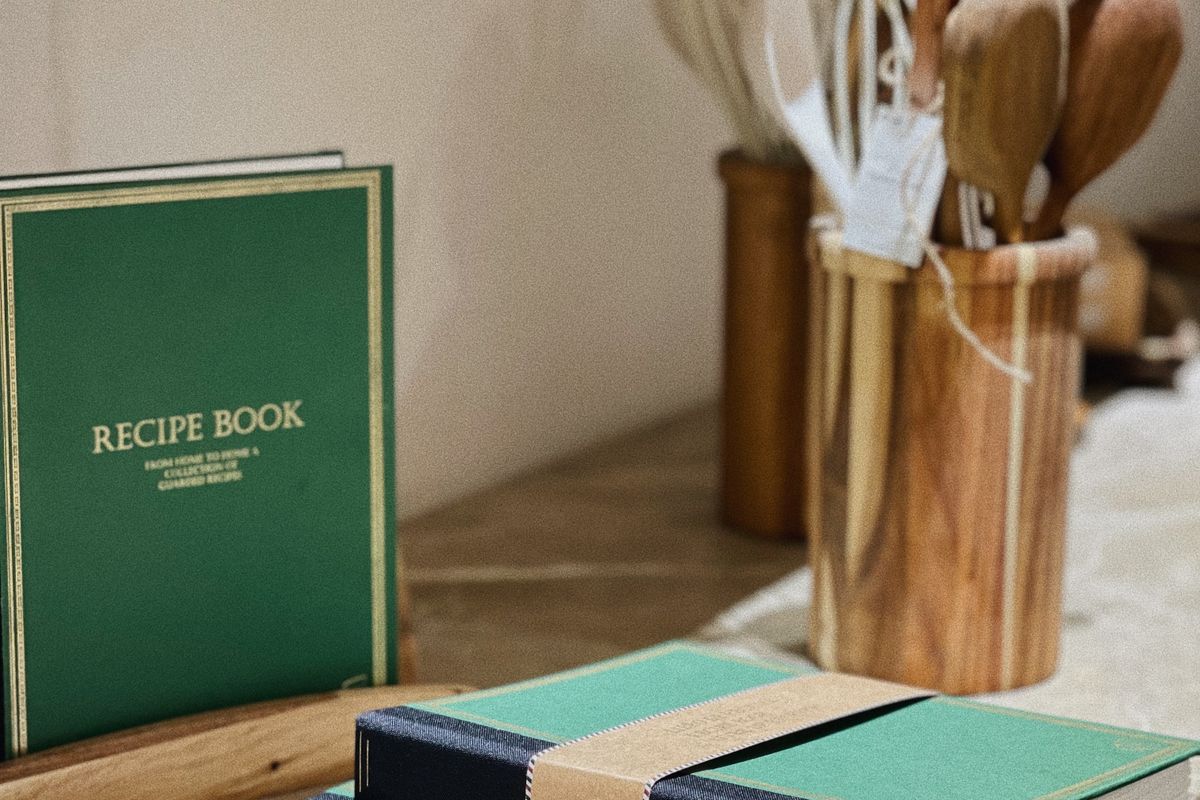
Saving a recipe used to take effort. You wrote it out, or tore the page, or bookmarked something and hoped the site would still exist next year.
Now saving takes a second, which has moved the bottleneck somewhere else entirely. The problem is no longer keeping recipes. It is finding the right one on a Tuesday at half past six.
Saving is easy. Finding is not.
A library of forty recipes browses nicely. A library of four hundred does not, and it grows faster than you expect, because the cost of adding one more is effectively zero.
Past a certain size a flat list stops being a collection and becomes an archive: complete, searchable in theory, and not much help when you are hungry.
Name collections after moments, not cuisines
The instinct is to sort by cuisine or by course. Italian, Mexican, mains, desserts. It feels tidy and it rarely helps, because that is not how the question arrives.
You do not think “I would like something Italian.” You think “it is Wednesday, I have forty minutes, and there are people coming at seven.” Collections that match the moment get opened. Collections that match a taxonomy get admired.
- Weeknight, under 30 minutes
- Feeds a crowd
- Uses up whatever is in the fridge
- Cook once, eat three times
- Worth the effort on a Sunday
Each of those answers a question you actually ask out loud.
Keep the number small
Collections have the same failure mode as folders. Make thirty and choosing which one to open becomes its own decision, which is the problem you were trying to solve.
Five or six is usually right. If a collection has not been opened in two months, it is not earning its place on the screen.
A recipe can live in more than one place
This is where digital collections beat the shelf they are imitating. The same traybake can sit in “weeknight” and in “feeds a crowd” without being copied, and you will find it from whichever direction you happen to approach.
So do not agonise over the right home for a recipe. Put it everywhere it genuinely belongs and let the moment decide which door you come through.
Search covers what collections miss
Collections answer the question “what should I cook.” They are poor at answering “where is that chicken thing I saved in spring,” and it is a mistake to try to make them do both.
That is what search is for. It does not need any structure to work, which means the recipe you never got round to filing is still findable, and the cost of saving something without categorising it stays at zero.
Use both, and let each do what it is good at. Collections are for browsing when you do not know what you want. Search is for retrieving when you do.
Fix the recipe the first time you cook it
An imported recipe is a draft. It has whatever the original author wrote, including the quantities that were wrong, the step that assumed a stand mixer, and the title that says nothing useful.
The moment to fix it is the moment you finish cooking it, while you still remember that it needed ten more minutes and half the sugar. Five minutes then saves the whole disappointing experience of cooking it badly a second time.
Give it a name you would actually search for. “Weeknight lemon chicken” is findable; a headline written for a search engine three years ago is not.
Cook from the library, not the feed
There is a version of this where the collection becomes another thing to browse, and the browsing replaces the cooking. That is the original problem in a tidier coat.
The measure of a good library is not how much is in it. It is how often something gets cooked out of it, and whether the thing you cooked was better for having been saved.
One collection for the week ahead
The most-used collection in most kitchens is not a theme at all. It is a short list of what you intend to cook in the next few days.
Three or four recipes, chosen once, cleared as they get cooked. It turns a library into a plan, and it means the evening question is not “what shall we have” but “which of these three.” That is a much smaller question, and it gets answered in seconds.
Prune the pile
Some recipes get saved on enthusiasm and never cooked. That is fine, and a few of them will be cooked eventually. But a library where nothing is ever removed slowly stops being trustworthy.
Every so often, cook one of them or let it go. And when you do cook something and it works, that is the moment to tidy it: fix the quantity that was wrong, note the substitution you made, cut the step you skipped.
A recipe you have cooked once and corrected is worth ten you have only saved. Collections are how you make sure it is one of those you find first.